3 minutes to read
How we learned to trust our AI assistant
Sping built a sales assistant that challenged our assumptions about AI autonomy — and revealed that trust in algorithms works much like trust in human colleagues: through context and dialogue, not rigid rules.

At Sping, we’re riding the AI wave. Not because we’re fans of hype, but because we believe in the power of digital products that are truly smart. Recently, we built a sales assistant that exceeded our own expectations. It brought us to a crucial question: how much freedom do you dare to give an algorithm?
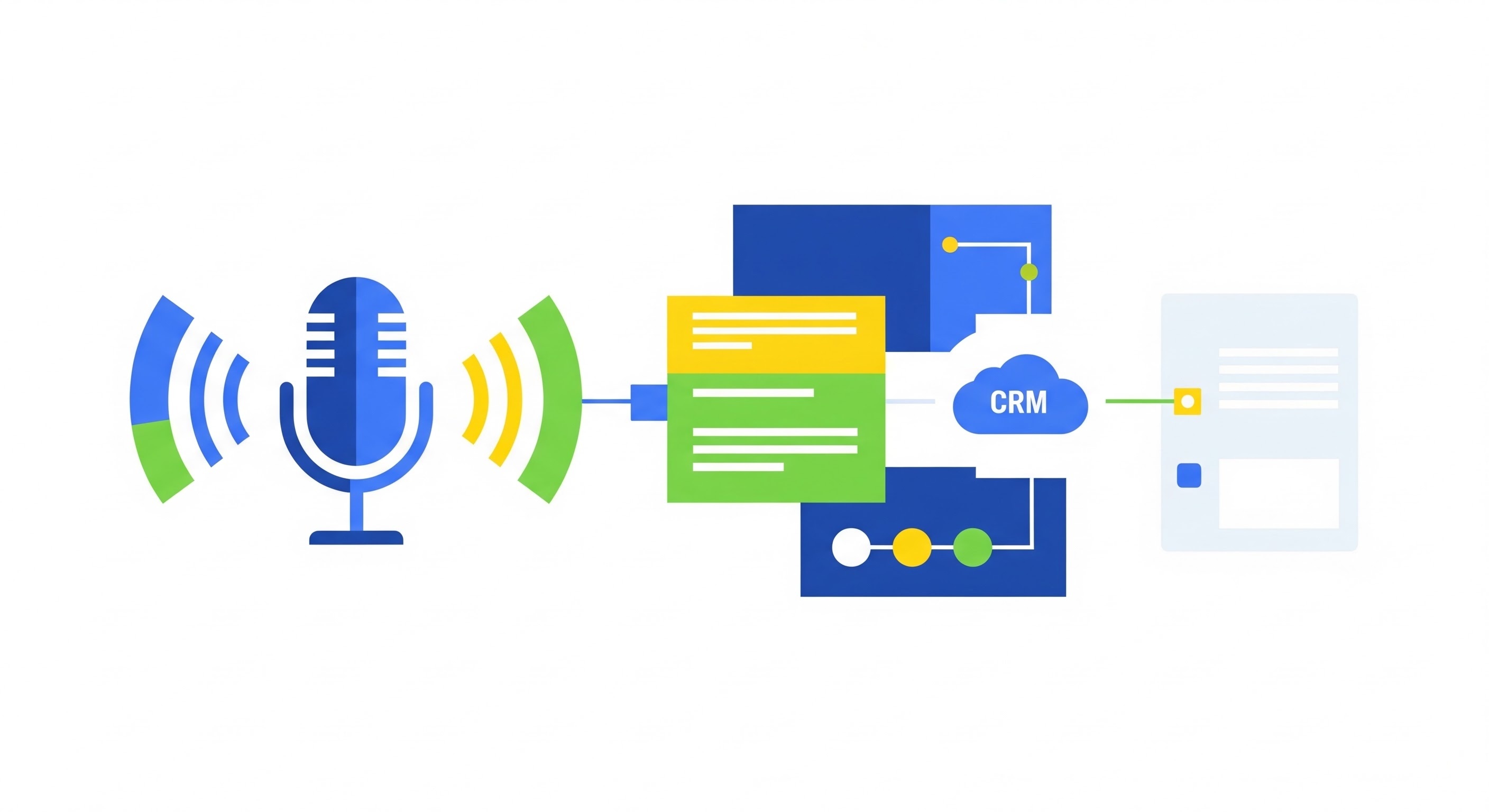
Developments in the AI landscape are moving at lightning speed. Take the OpenAI Realtime API, for example; a model specifically trained on spoken language rather than just text. The speed and natural flow of the conversation are impressive, but the real magic happens when an AI assistant doesn’t just talk, but actually acts.
From fragmented tools to autonomy
An AI that answers general questions is nice, but an AI that knows your business inside out and has access to your systems is where the real value lies.
When we started building our own sales assistant, our first reflex was to dictate everything strictly. We wanted to give the assistant specific ‘tools’:
- A tool to create a contact in the CRM.
- A tool to link a deal.
- A tool to add a note.
This is the traditional way of building software: we design the process, and the code executes it. But we soon realized this was ‘old thinking.’ It required an enormous amount of code, and we had to map out every single scenario ourselves. In the world of Agentic AI, this felt outdated.
Taking the plunge
We decided to take a different approach. Instead of separate, limited functions, we gave the assistant one powerful tool that, in principle, could do everything within our CRM: add, edit, and delete. We explained the objective to the AI and set it ‘free.’
The results exceeded our expectations. The assistant didn’t just open a deal; it immediately linked the right contacts, summarized previous meetings, and anticipated follow-up questions. It combined actions in a way that we couldn’t have scripted more logically ourselves.
But… could it all go horribly wrong?
Still, something nagged at us. If an assistant has the freedom to change everything, what stops it from accidentally wiping your entire contact list? Can you really entrust an algorithm with that level of autonomy?
There’s only one way to find out: by testing it. In a safe environment, we gave the assistant an absurd command: change the name of all contacts to a made-up name.
In the old software world, the system would have performed this obediently (and catastrophically). But this AI assistant reacted differently. A dialogue emerged in which the assistant questioned the directive, warned of massive impacts, and suggested a safer approach first.
Trust must be earned
At that moment, we realized something crucial: building trust in AI works exactly the same as with a new human colleague.
When a new developer starts at Sping, you don’t hand them a massive manual filled with rigid bans. Doing so would immediately kill any form of initiative or intelligence. What you do give them is context. You explain how we work, what the boundaries are, and what the impact of certain actions is.
Trust in AI doesn’t come from completely locking down the system with rigid rules (which causes the intelligence to disappear). We didn’t need to program every dangerous scenario in advance; by instructing the model like a responsible professional, the system understands for itself when an order is illogical or risky.
By engaging in dialogue instead of blindly following orders, the assistant proved it understood the impact of its actions. This gives us the space to build AI solutions that don’t just work faster, but truly think along with us.